Endor
Building a brand and digital product from the first idea forward.
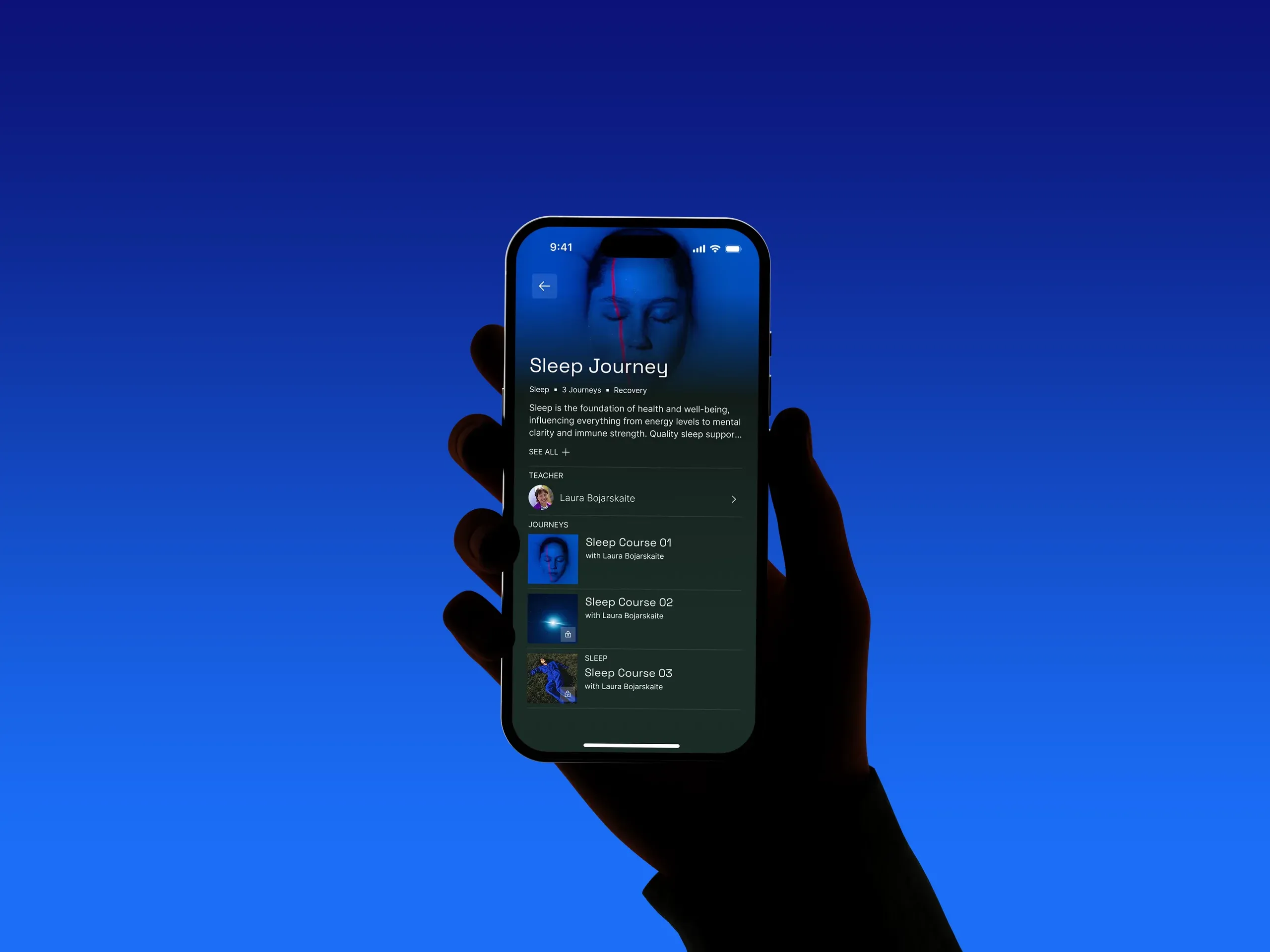
Endor was still taking shape when we joined the project — an ambitious idea with the beginnings of a product, but without a fully defined identity, experience or visual world. We worked across brand strategy, storytelling, identity and product design to help turn that early vision into something people could see, understand and experience. From defining the creative direction and visual language to mapping user journeys and designing the web and app experience, our role stretched across the brand and the product from the beginning. Generative AI became part of that process early on — not as a shortcut, but as a creative tool for exploring directions, prototyping ideas and creating a visual world for something that didn’t fully exist yet. The result was a cohesive foundation for Endor: a brand, a product experience and a visual system designed to evolve together.
Before there was a product, there was an idea.
When we first started working with Endor, much of what it would become was still open. There was an ambition and the beginnings of a product, but its story, identity and experience were still being discovered. That made the early work less about solving one clearly defined design problem and more about finding the connections between many of them. What should Endor stand for? How should it speak? What should it feel like? And how could all of that become something people would actually want to use? We worked closely with the team to shape the early brand strategy and story, establish the creative direction and begin defining the foundations of the product experience.
Giving the idea a character.
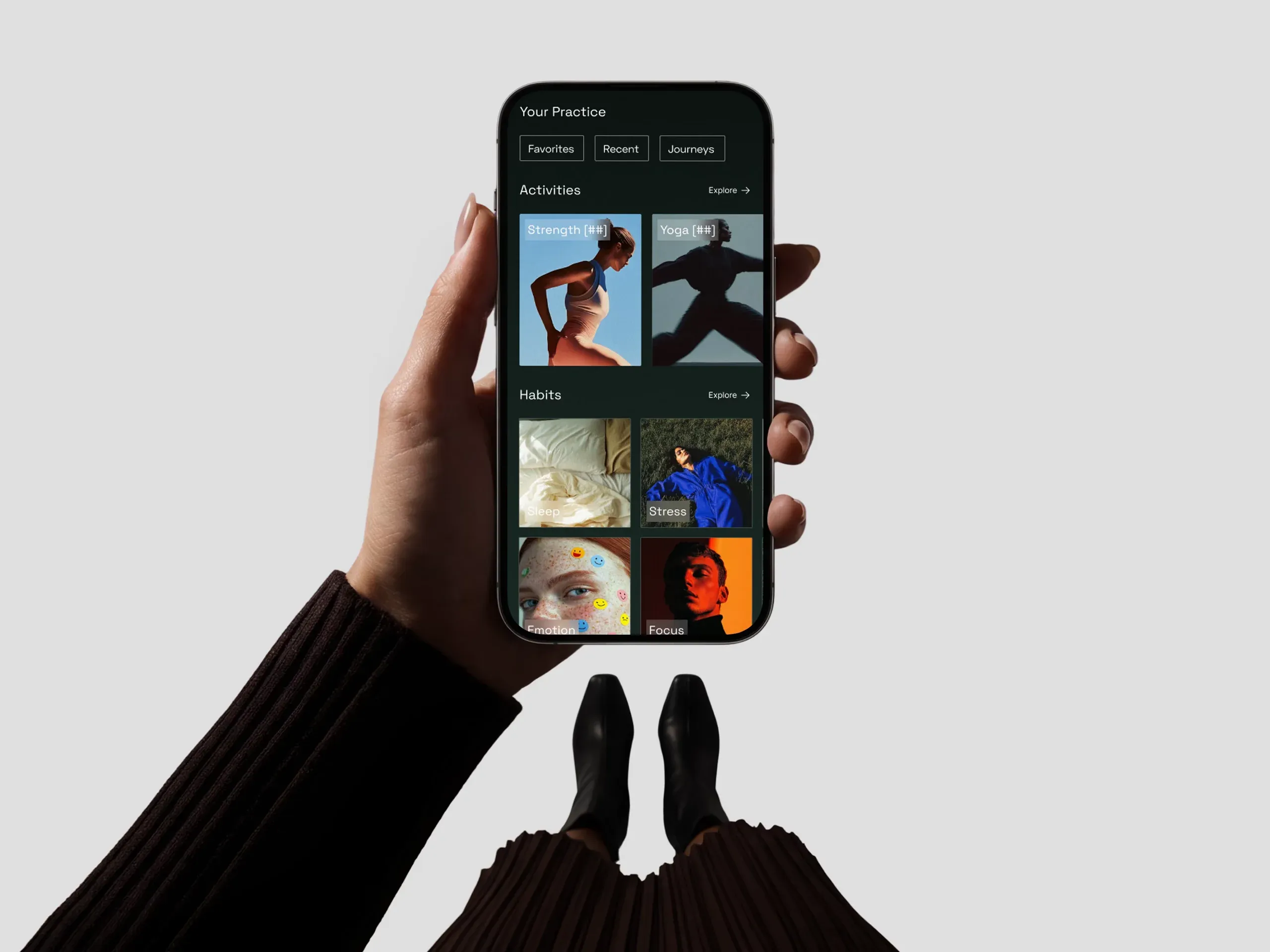
As the idea became clearer, Endor needed a visual language that could give it personality without locking it into something too rigid, too early. We developed the visual identity and creative direction around a world that felt warm, optimistic and distinctly Endor — establishing the foundations for colour, typography, imagery and the broader visual expression. Rather than treating the identity as something to apply once the product was finished, we used it as a way of helping the product find its character while it was still being built.
From story to experience.
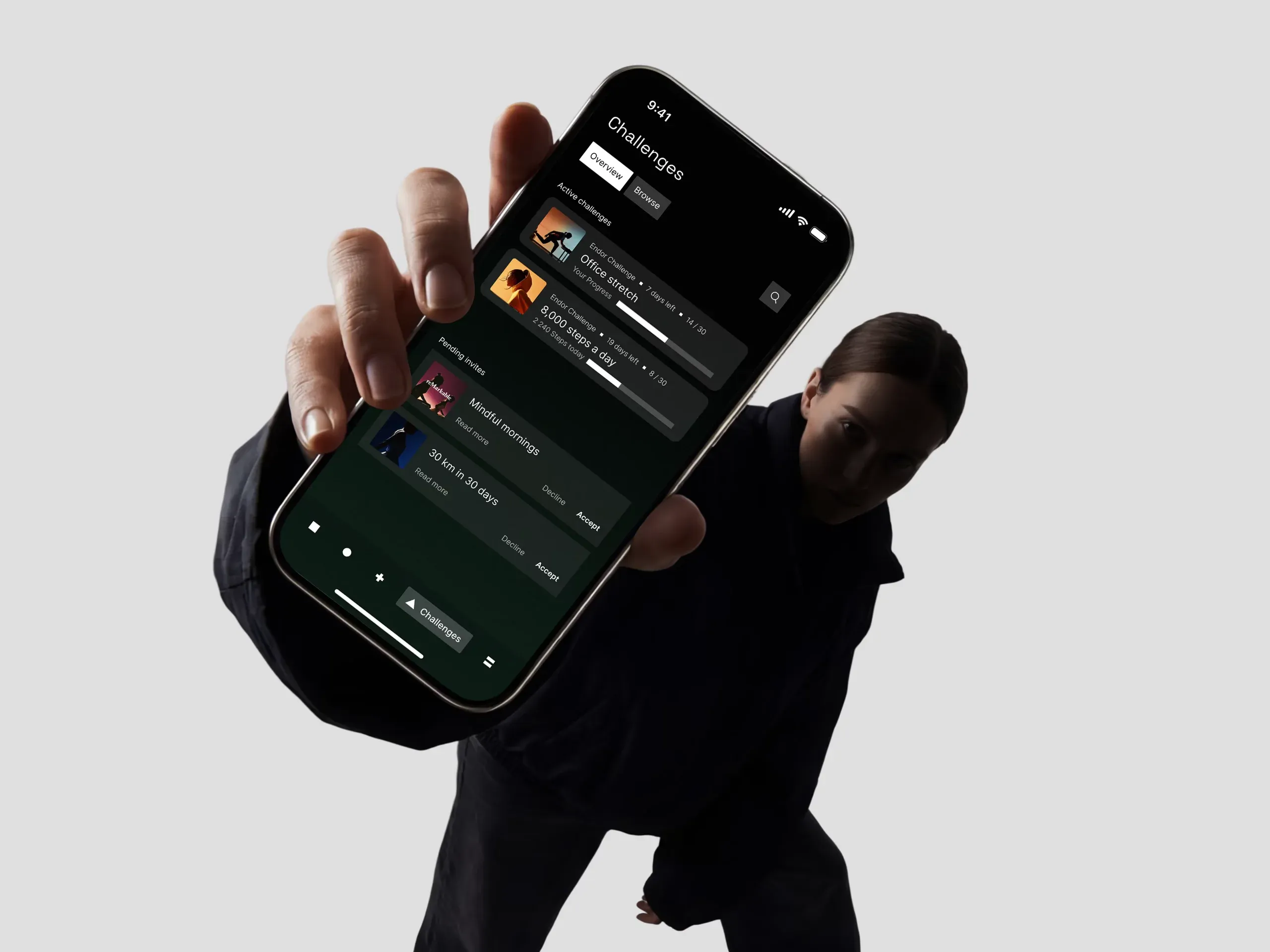
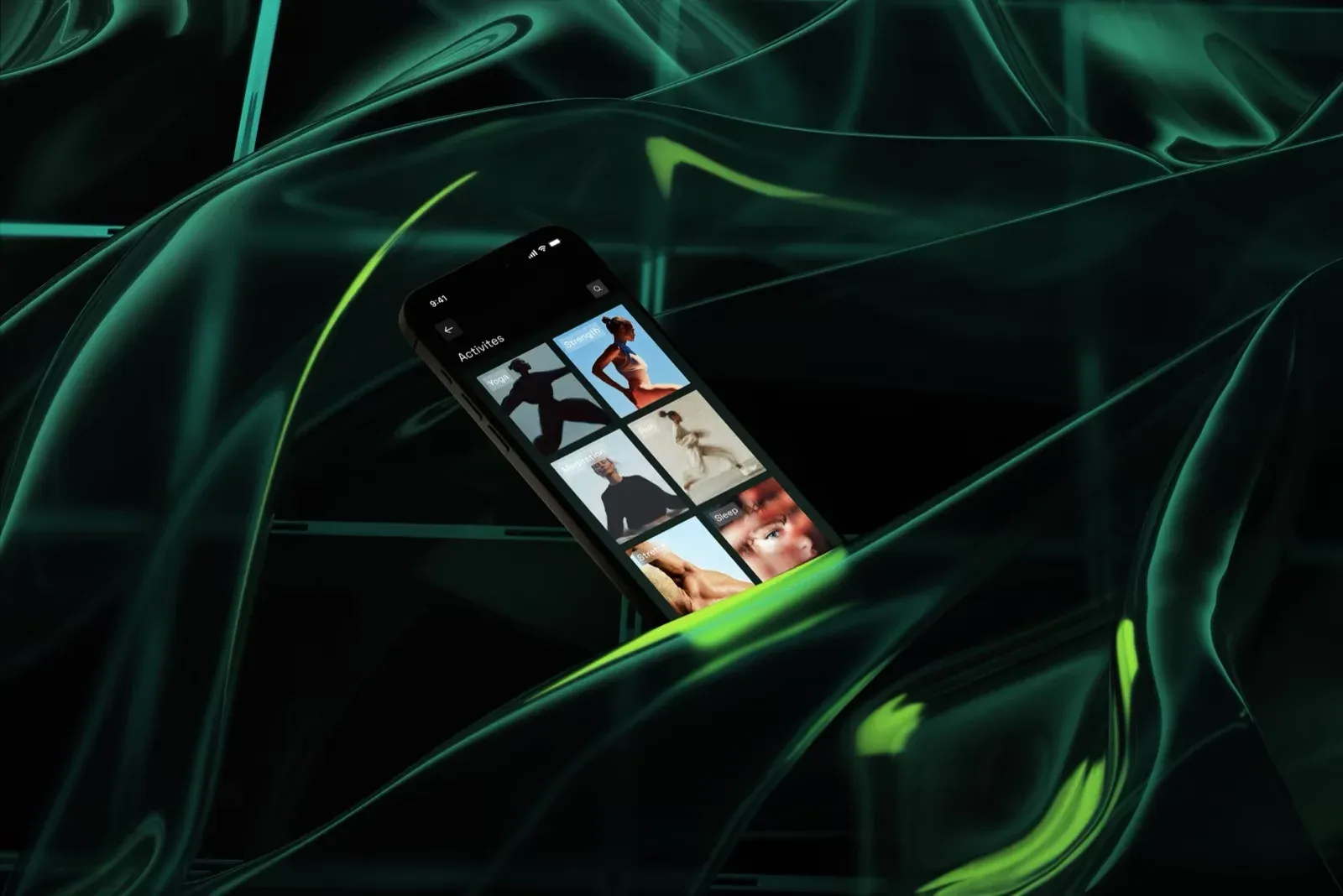
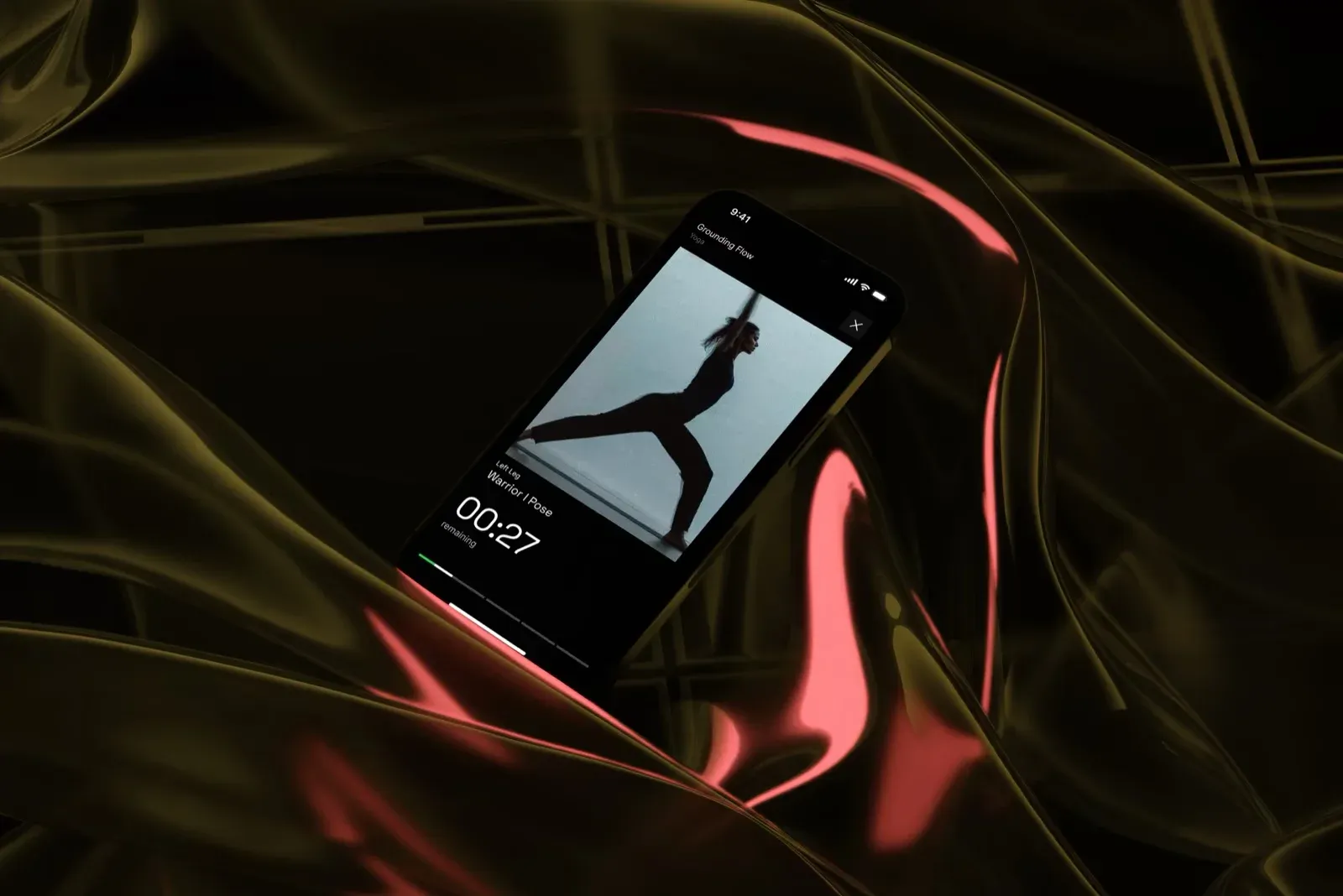
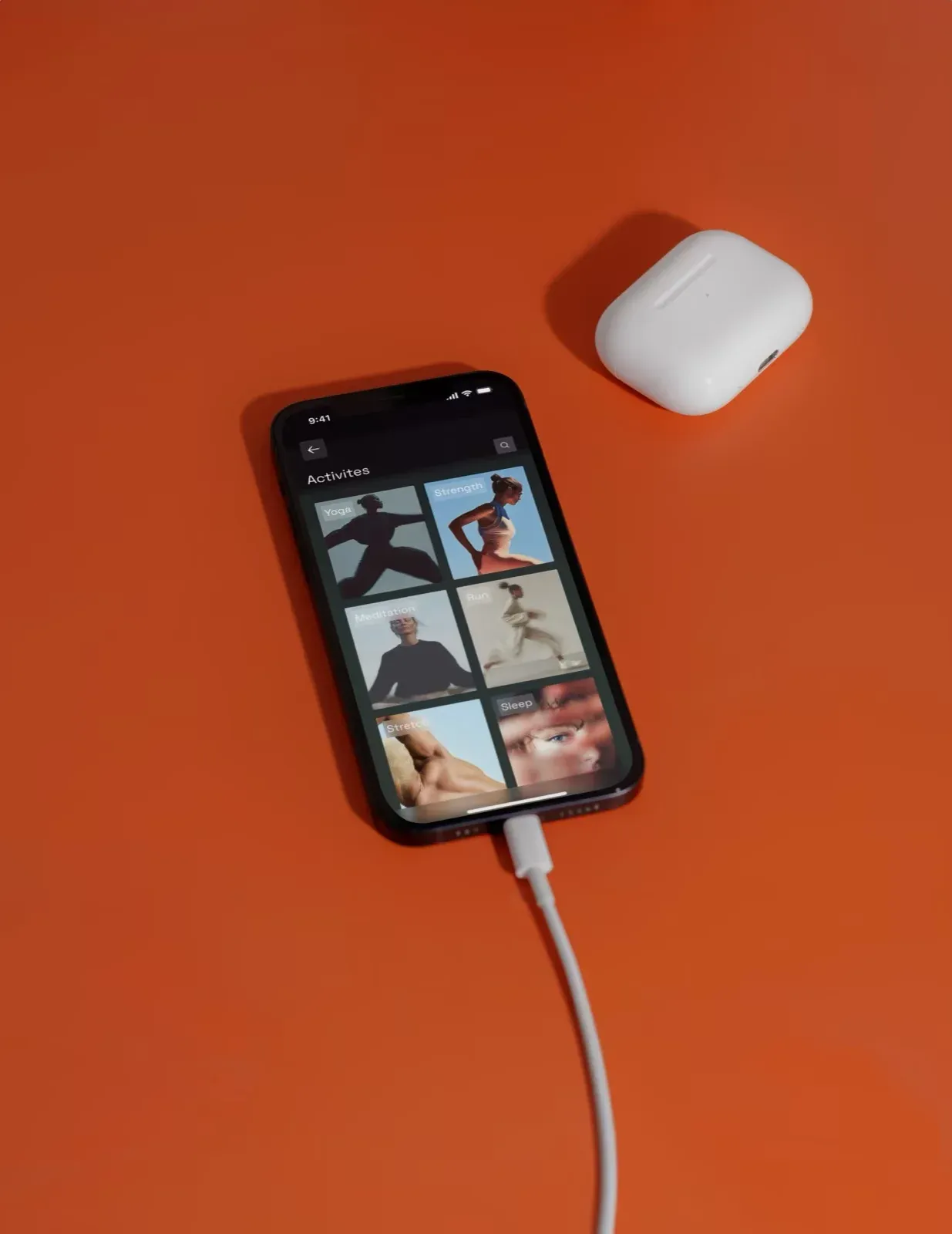
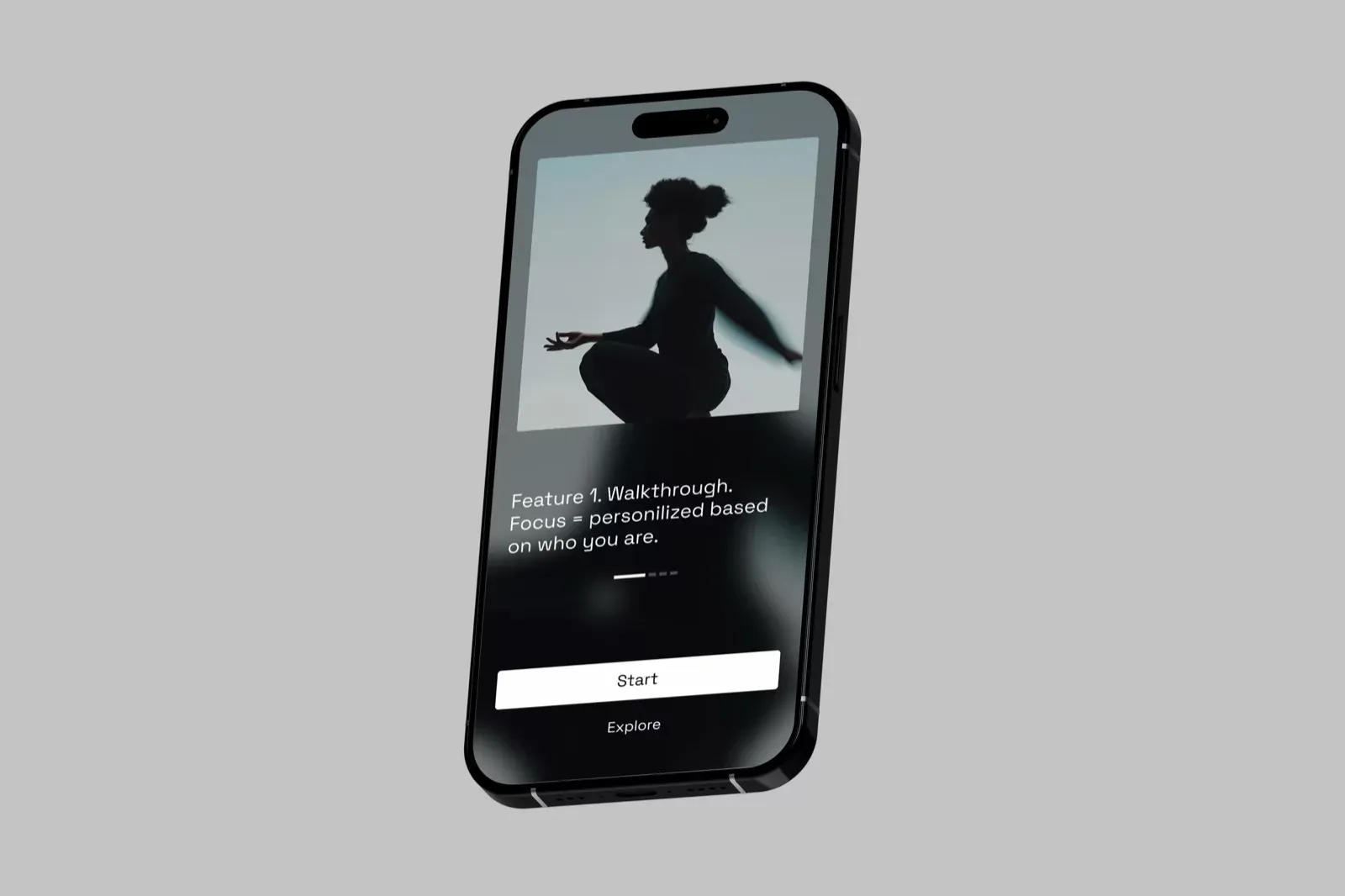
A brand becomes much more interesting when you can interact with it. We started translating Endor’s ideas into journeys, interactions and interfaces — looking at how people would encounter the product, understand it and move through it, and where the experience needed to feel simple, intuitive or unexpectedly delightful. We mapped key customer journeys, developed wireframes and prototypes, and designed the UX/UI across Endor’s web and app experiences. The identity and interface developed side by side, allowing decisions about the brand to influence the product — and decisions about the product to reshape the brand.
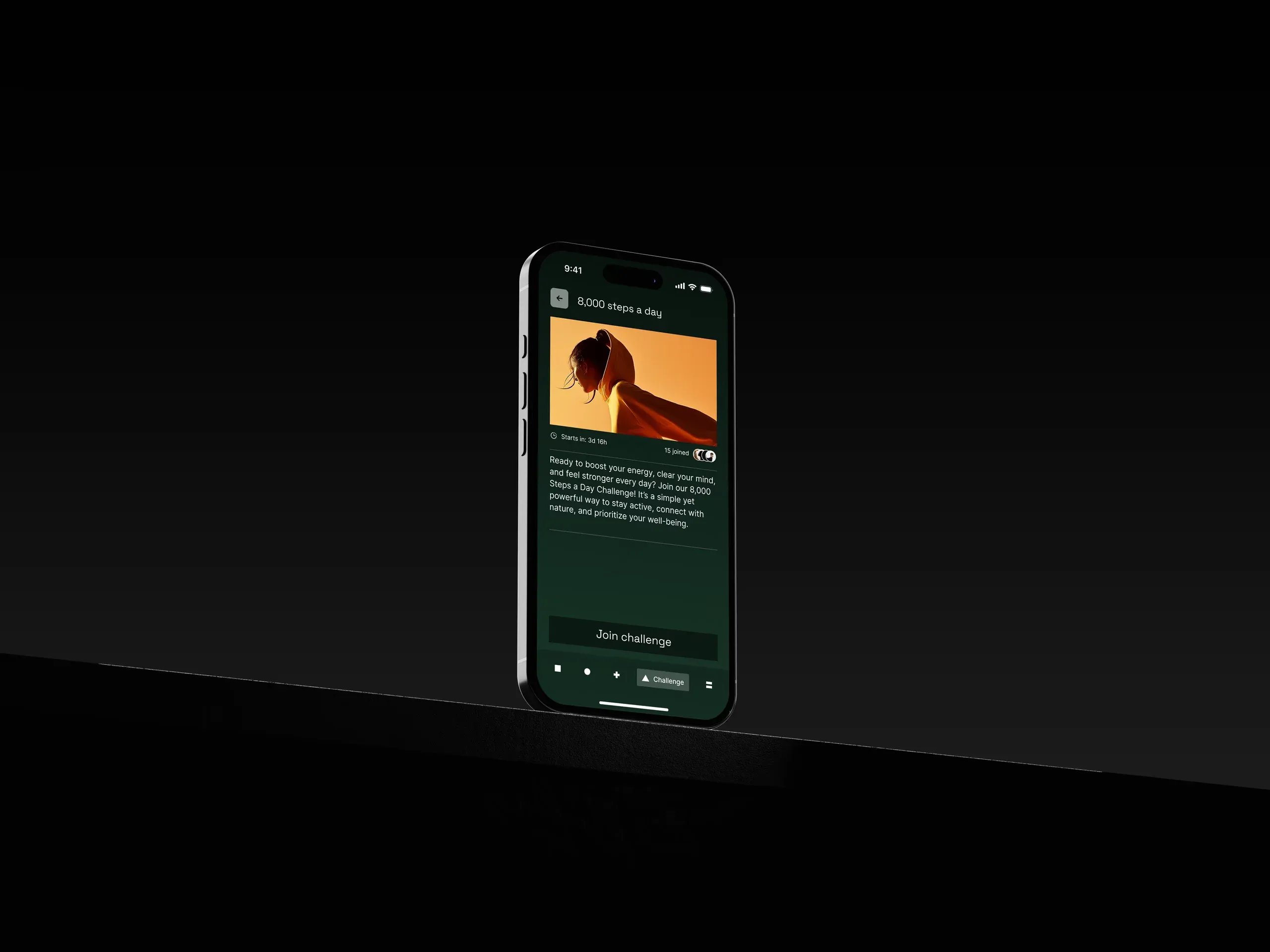
Making the imaginary visible.
One of the challenges of designing something new is that much of the world around it doesn’t exist yet. Sometimes you need to create that world before you can properly see what you’re building. Generative AI became an important part of how we explored that space. We used it to test visual territories, create imagery, prototype ideas and move quickly between different creative directions while Endor’s identity was still taking shape. It wasn’t about using AI to replace the design process. It gave us another material to design with — one that made it possible to explore, discard, combine and refine ideas at a speed and scale that would have been difficult through conventional production alone.
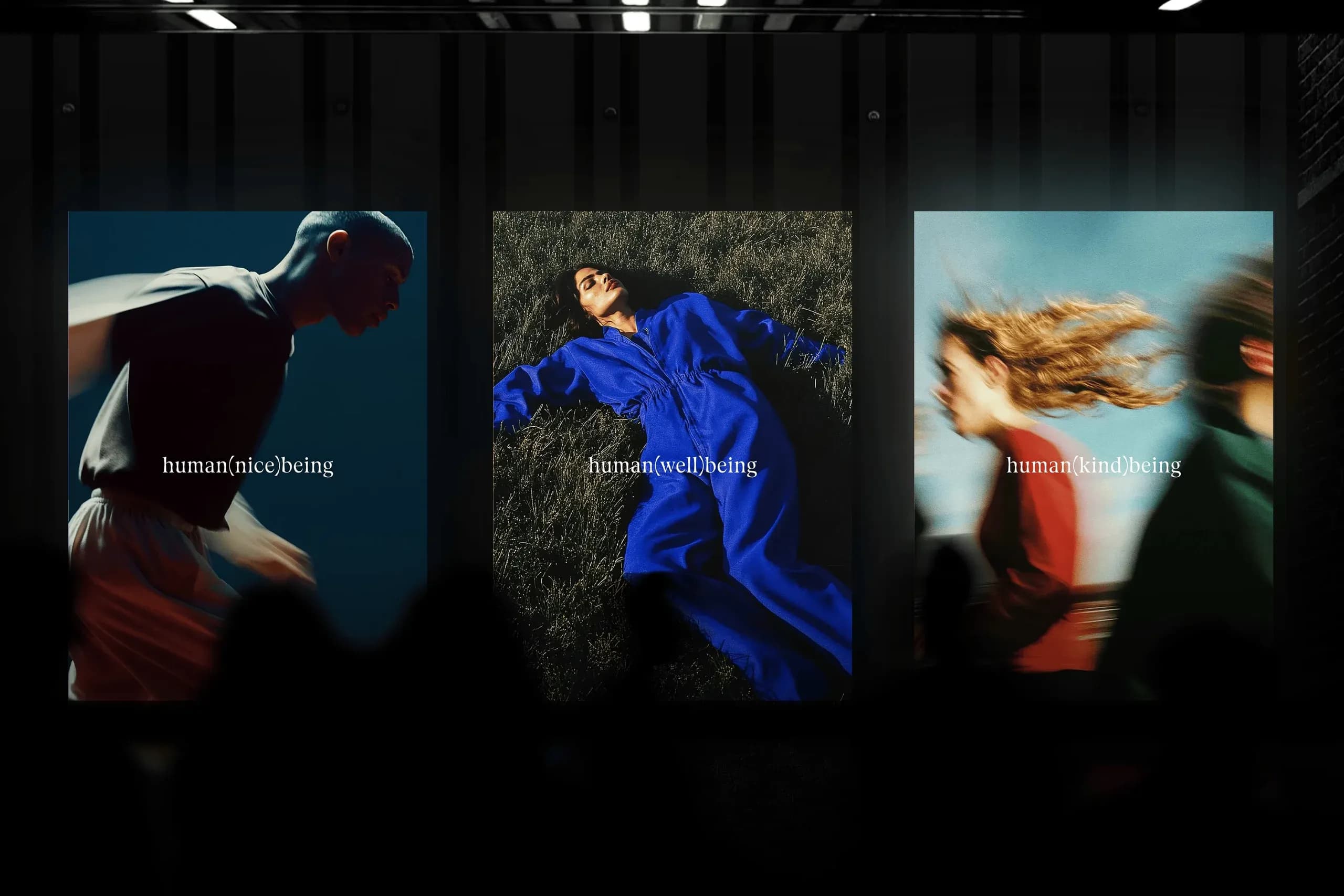
One world, many surfaces.
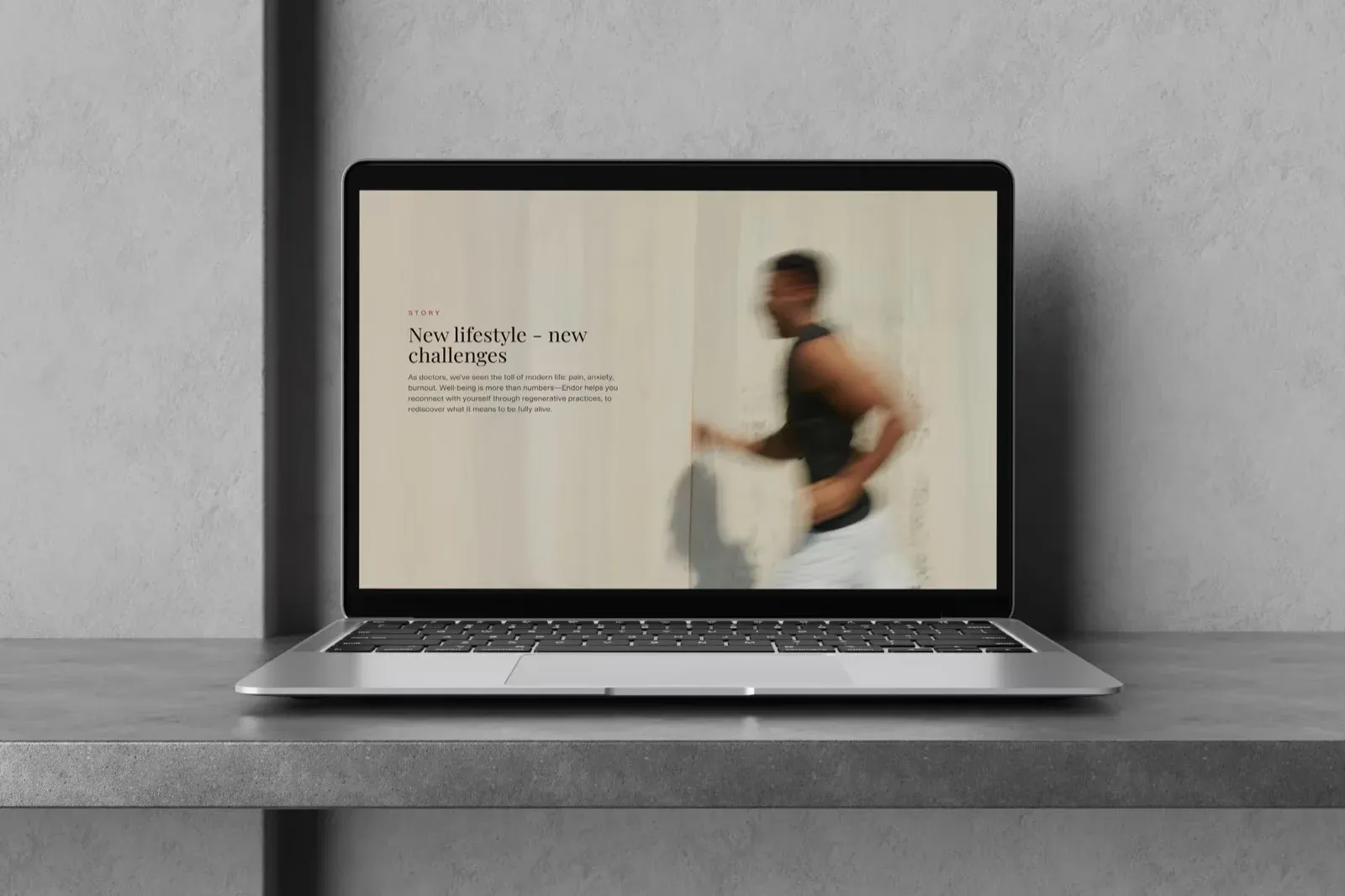
As the project developed, the boundaries between brand and product became less important. The same ideas needed to work as an image, a piece of communication, a web page and an interaction inside the app — without everything becoming repetitive or overly systemised. We brought the identity, imagery, creative direction and interface design together into a flexible visual system spanning brand, web and app. The goal wasn’t to make every touchpoint look identical. It was to make them feel unmistakably part of the same world.
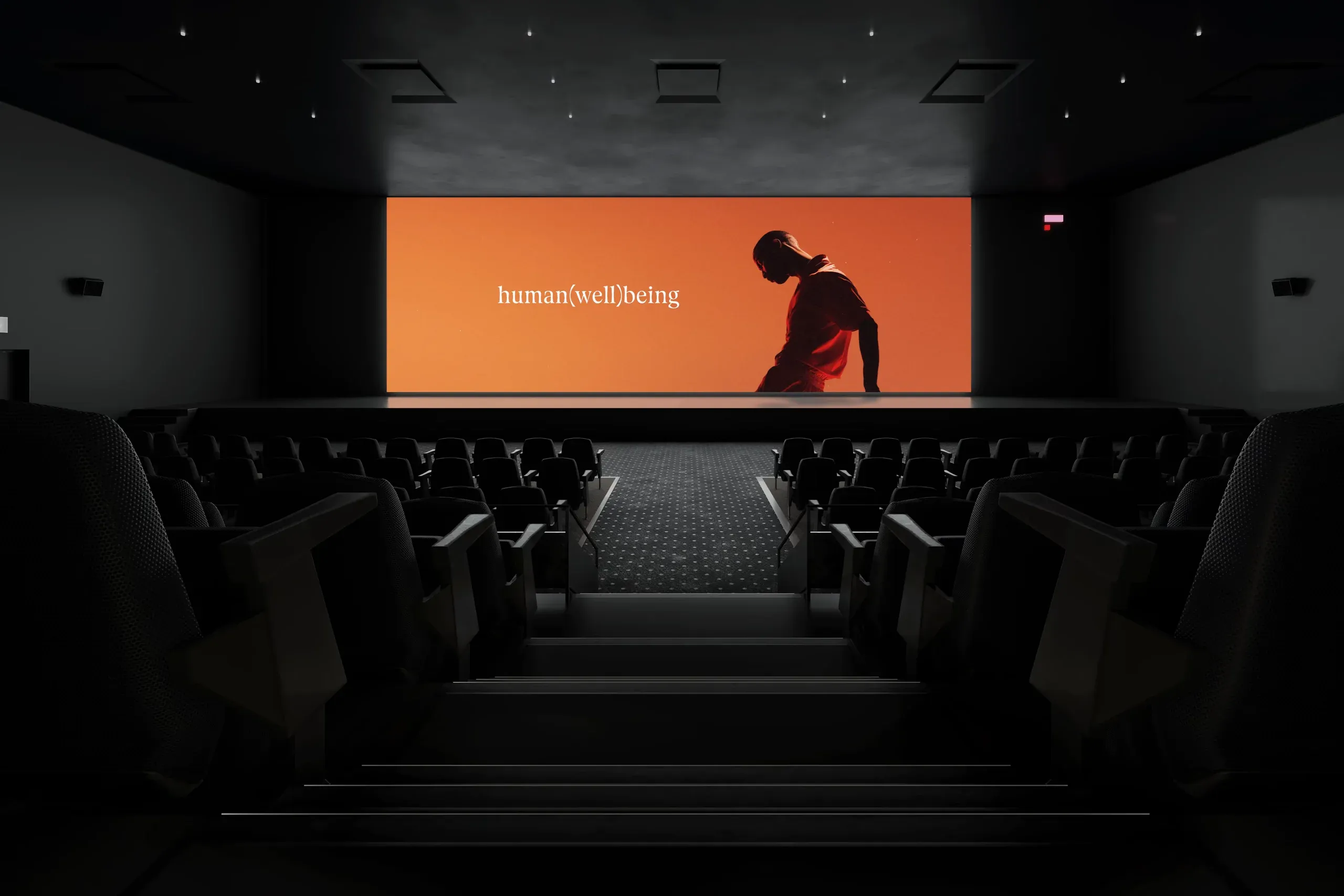
Built for what came next.
Early-stage products are supposed to change. Ideas get tested, priorities move, teams learn and the thing that eventually reaches the world is rarely identical to the thing imagined at the beginning. Endor has continued to evolve since our time working together. Our role was to help give those first ideas enough form to move forward — turning an ambition into a story, an identity and a product experience that people could actually see, understand and interact with. We helped build the foundation Endor could continue building from.